

-
1 термостат
mFRA sonde f de températureDEU Temperaturfühler mITA sonda f della temperaturaPLN czujnik m temperaturyRUS термостат mсм. поз. 2439 на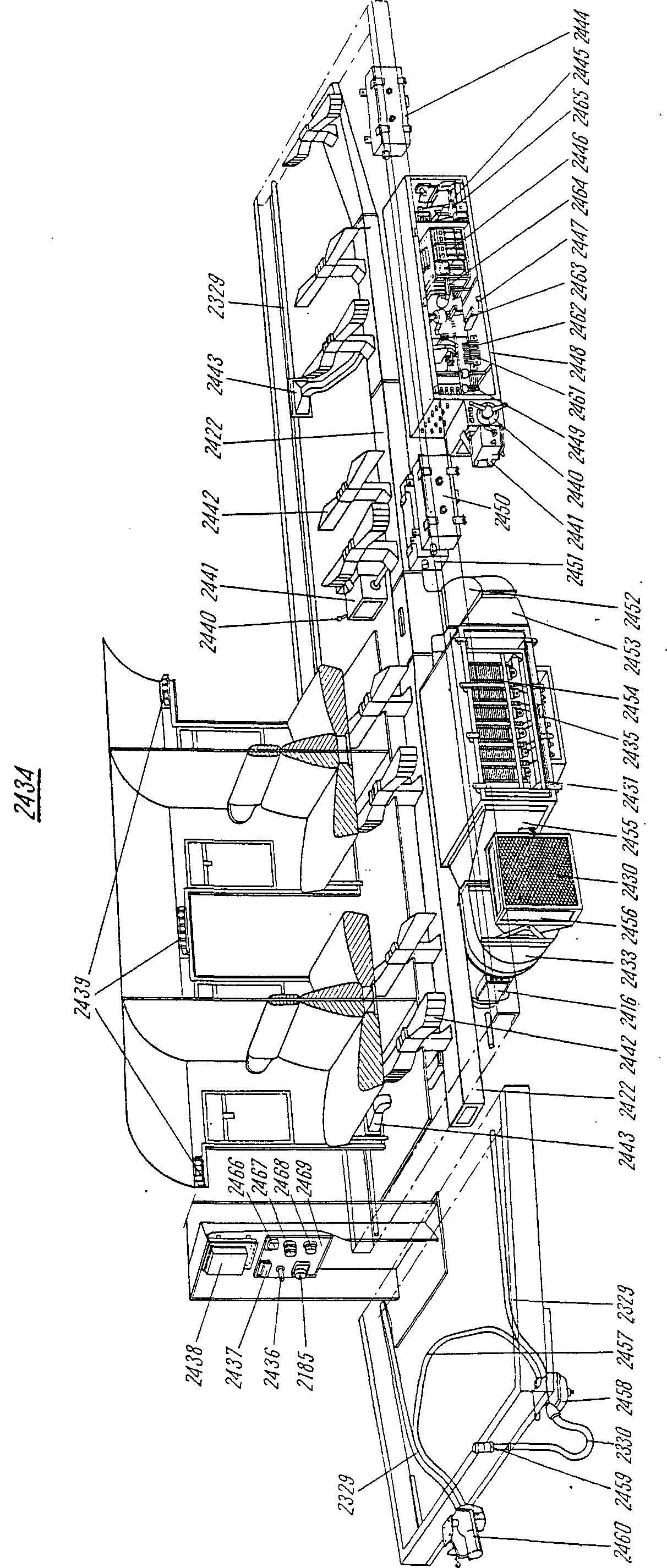 —FRA thermostat m de sécuritéDEU Sicherheitsthermostat mITA termostato m di sicurezzaPLN termostat m przewodu powietrznegoRUS термостат m безопасностисм. поз. 2417 на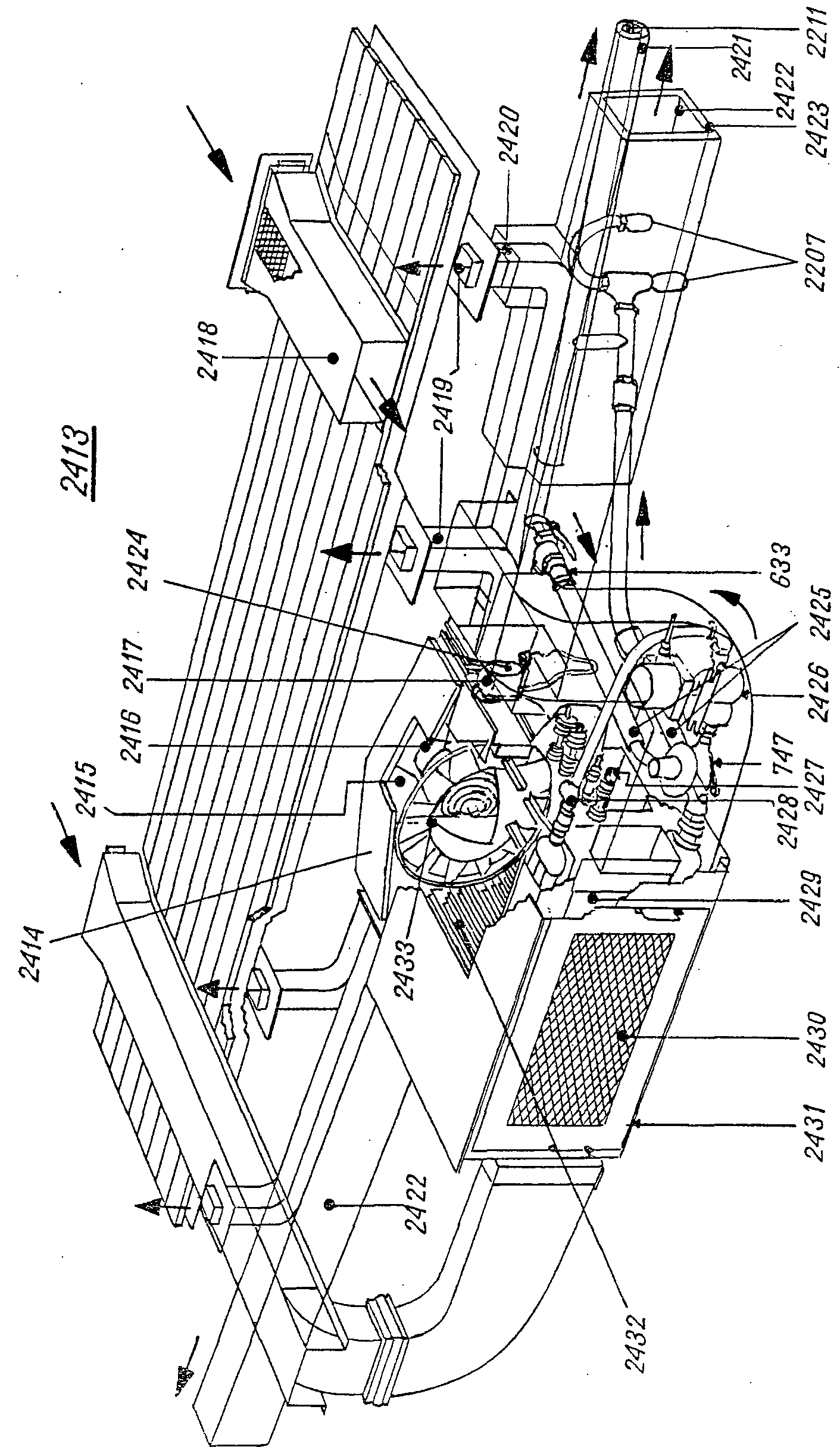
термостат безопасности, определяющий температуру нагнетаемого воздуха
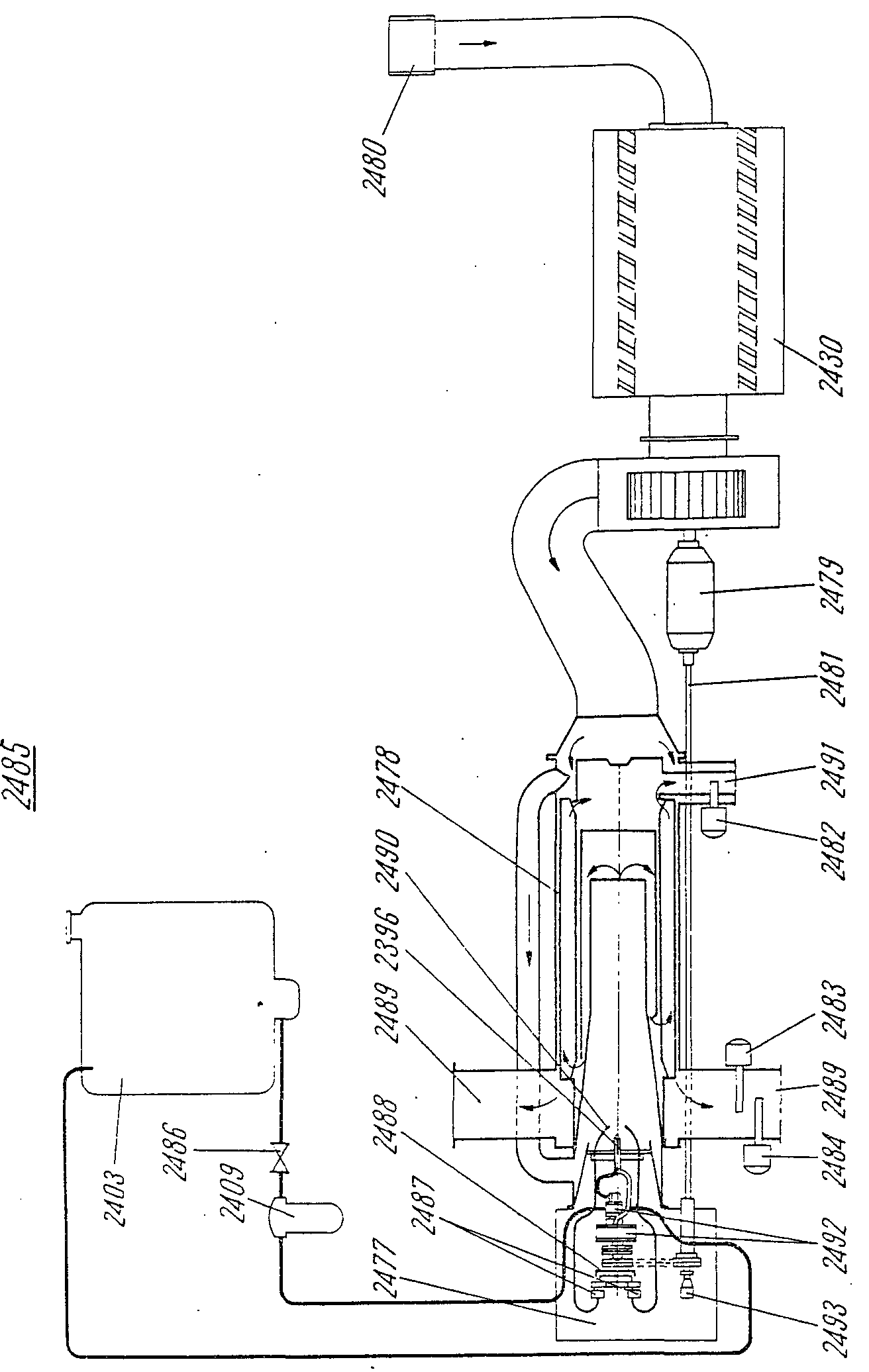
—FRA thermostat m de sécurité (air puisé)DEU Sicherheitsthermostat m (Schubluft)ITA termostato m di sicurezza (aria insufflata)PLN termostat m przewodu powietrza nawiewnegoRUS термостат m безопасности, определяющий температуру нагнетаемого воздухасм. поз. 2484 на ,
, 
термостат безопасности, определяющий температуру отработавших газов
—FRA thermostat m de sécurité (gaz brûlés)DEU Sicherheitsthermostat m (Abgas)ITA termostato m di sicurezza (gas bruciati)PLN termostat m kanału wylotowegoRUS термостат m безопасности, определяющий температуру отработавших газовсм. поз. 2482 на, —FRA thermostat m de compartimentDEU Raumthermostat mITA termostato m del compartimentoPLN termostat m przedziałowyRUS термостат m в купесм. поз. 2333 на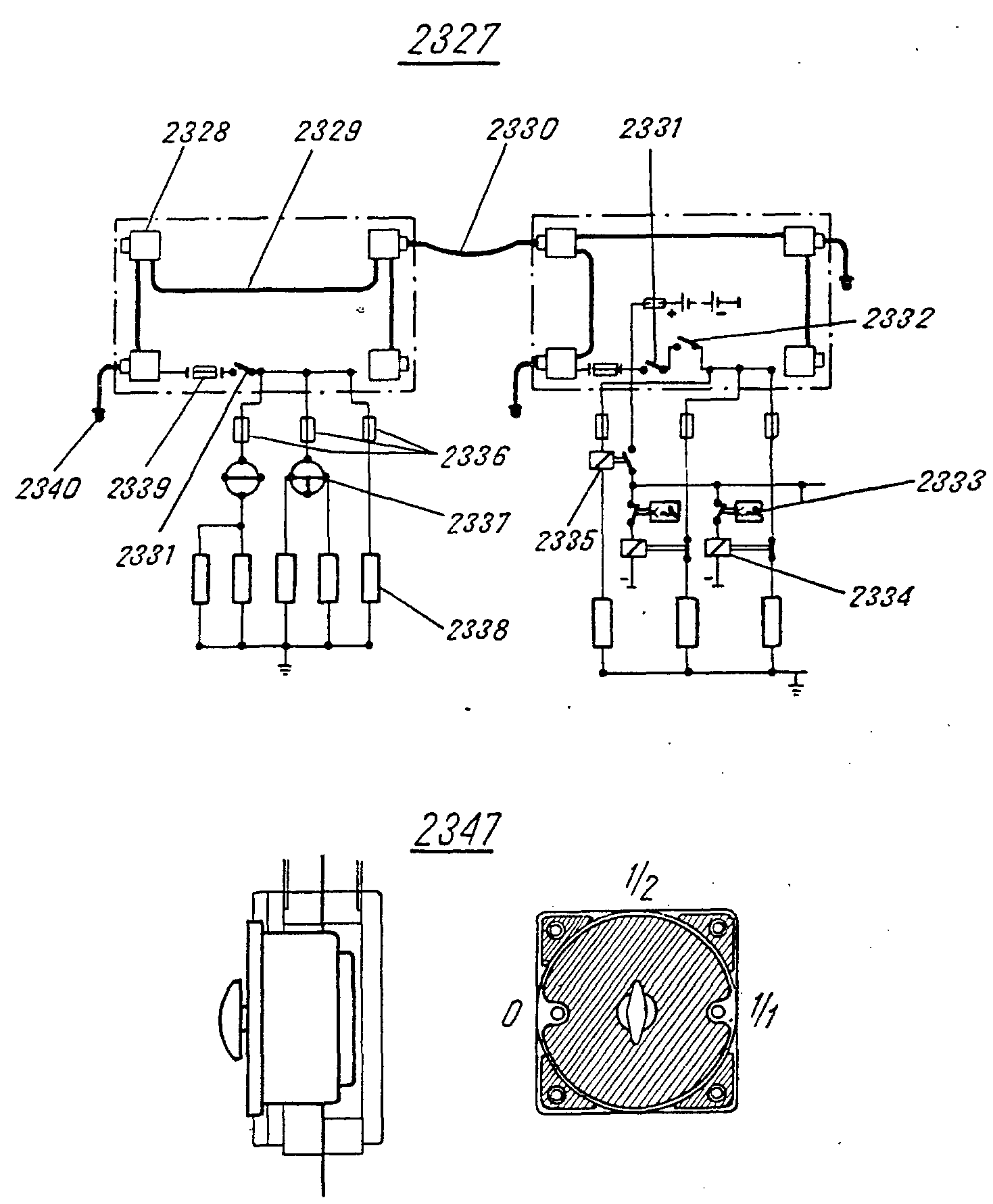 ,
, 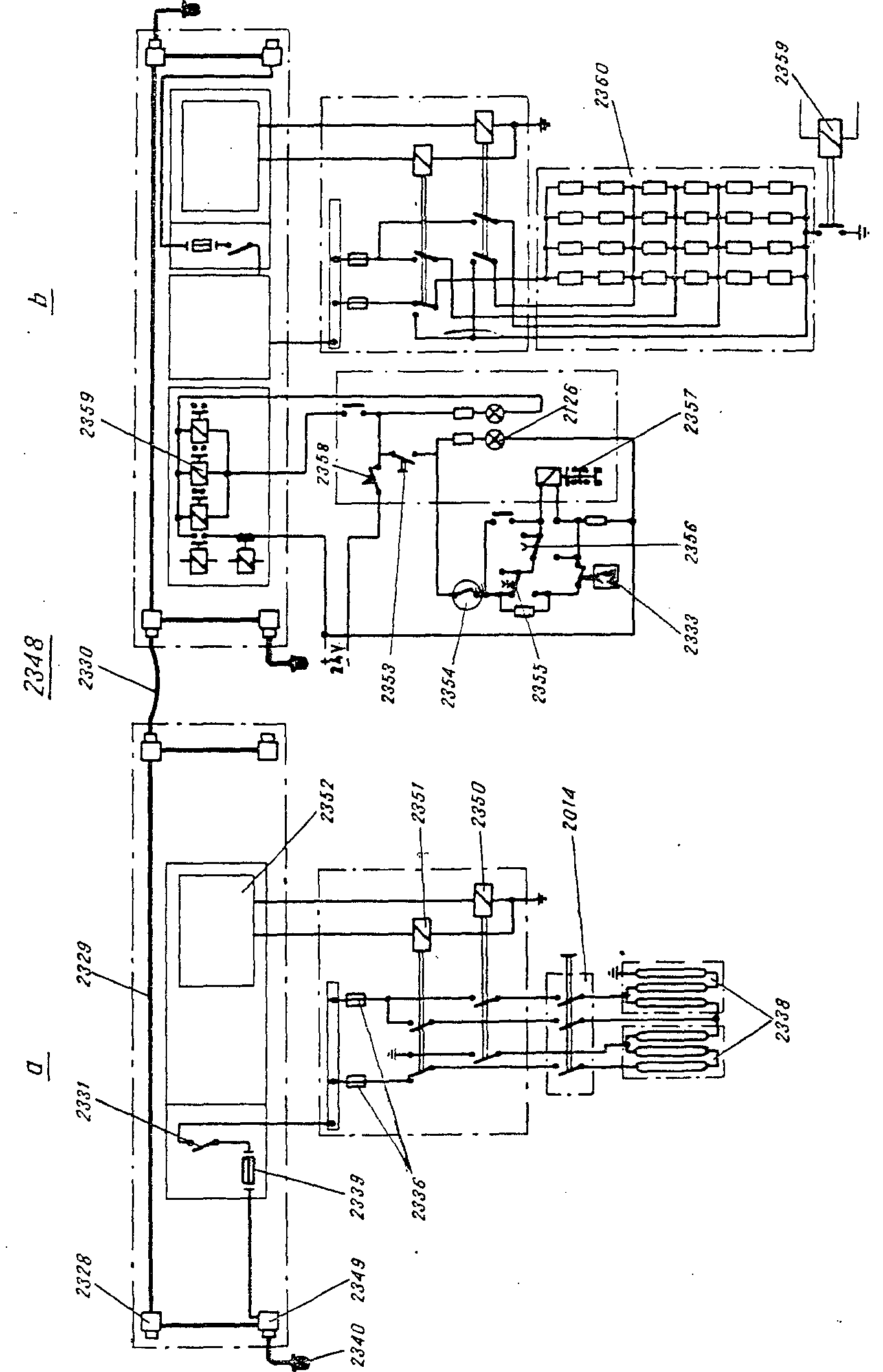 ,
,  ,
, 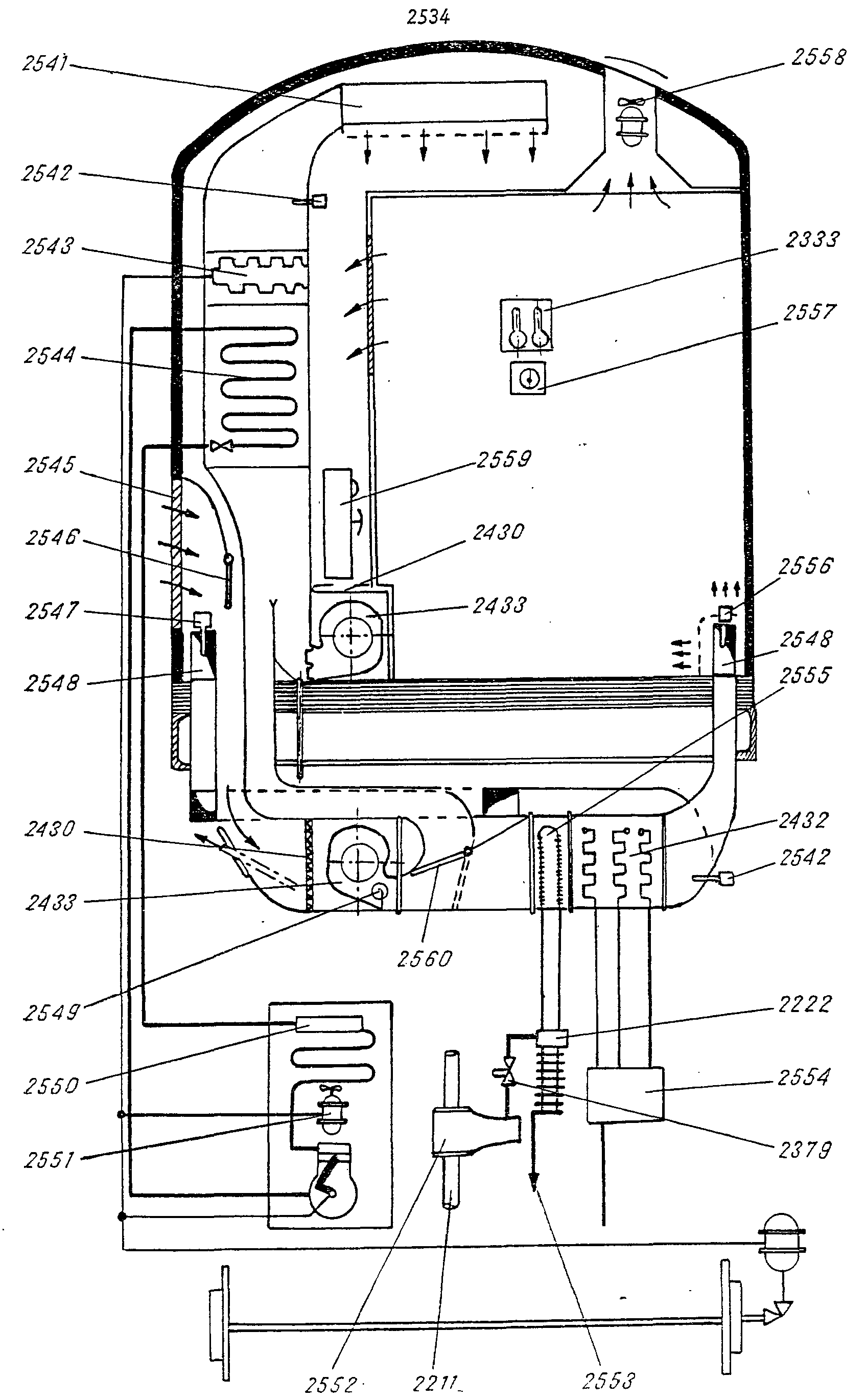 —FRA thermostat m d’eau de chauffageDEU Thermostat m für HeizwasserITA termostato m dell'acqua del riscaldamentoPLN termostat m wody grzejnejRUS термостат m горячей водысм. поз. 2389 на
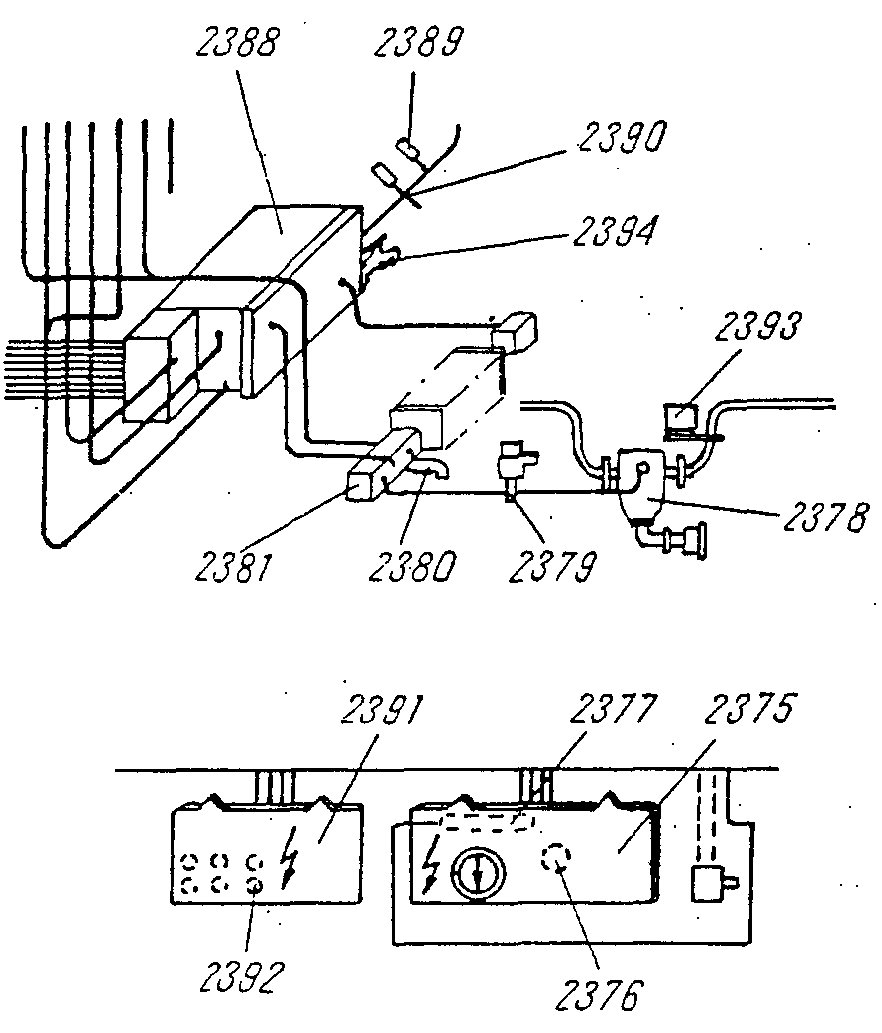 —FRA thermostat m d’ambianceDEU Raumthermostat mENG air thermostatITA termostato m d'ambientePLN termostat m zewnętrznyRUS термостат m наружного воздухасм. поз. 2473 на,FRA thermostat m d’air extérieurDEU Thermostat m für Außenluft fITA termostato m dell'aria esternaPLN termostat m powietrza zewnętrznegoRUS термостат m наружного воздухасм. поз. 2547 на
термостат наружной температуры
—FRA sonde f de temperature extérieureDEU Temperaturfühler m für AußenluftITA sonda f della temperatura esternaPLN czujnik m temperatury zewnętrznejRUS термостат m наружной температурысм. поз. 2355 натермостат отопительной воды с датчиком наружной температуры
—FRA thermostat m d’eau de chauffage avec sonde de température extérieureDEU Thermostat m für Heizwasser mit Temperaturfühler m für AussenluftITA termostato m dell'acqua del riscaldamento con sonda della temperatura esternaPLN termostat m wody grzejnej z czujnikiem temperatury zewnętrznejRUS термостат m отопительной воды с датчиком наружной температурысм. поз. 2390 на—FRA thermostat m de température d’eauDEU Thermostat m für HeizwasserITA termostato m della temperatura dell'acquaPLN termostat m wody gorącejRUS термостат m температуры водысм. поз. 2356 натермостат, защитный
—FRA thermostat m de protectionDEU Schutzthermostat mITA termostato m di protezionePLN termostat m ochronnyRUS термостат m, защитныйсм. поз. 2542 натермостат, минимальный
—FRA thermostat m d’insuffisance de températureDEU Thermostat m für KaltblasenITA termostato m indicatore d'insufficienza termicaPLN termostat m minimalnyRUS термостат m, минимальныйсм. поз. 2556 натермостат, определяющий максимальную температуру нагнетаемого воздуха
—FRA thermostat m de limitation de temperature (air puisé)DEU Thermostat m für Höchsttemperatur (Schubluft)ITA termostato m di limitazione della temperatura (aria insufflata)PLN termostat m maksymalny powietrza nawiewnegoRUS термостат m, определяющий максимальную температуру нагнетаемого воздухасм. поз. 2483 на, -
2 реостат
m—FRA résistance f auxiliaire du relais de commande de chauffageDEU Hilfswiderstand m für SchaltschützITA resistenza f ausiliaria del relè di comando del riscaldamentoPLN opornik m pomocniczy przekaźnika sterowania ogrzewaniaRUS реостат m системы отоплениясм. поз. 2463 нареостат, компенсационный, цепи термостатов
—FRA résistance f d’étalonnage des lignes de sonde de températureDEU Eichwiderstand m für Temperaturfühler mITA resistenza f di taratura delle linee delle sonde della temperaturaPLN opornik m czujników temperaturyRUS реостат m, компенсационный, цепи термостатовсм. поз. 2437 на -
3 climb
I [klaɪm]1) (ascent) salita f., arrampicata f.; (of rockface) scalata f.it's a steep climb to the top of the tower — c'è una scala molto ripida per salire in cima alla torre
2) (steep hill) salita f.3) aer. salita f.4) fig. (rise) ascesa f.II 1. [klaɪm]1) [car, person] salire [ hill]; scalare [cliff, mountain]; [ person] arrampicarsi su, salire su [mast, wall, tree]; arrampicarsi su [ rope]; salire su [ ladder]; salire [ staircase]2.to climb down — discendere [ rockface]
to climb into — salire in [ car]
to climb over — scavalcare [ fence]
to climb up — salire su [ladder, tree]; salire [ steps]
3) (slope up) [path, road] salire4) (increase) [birthrate, price, temperature] salire, aumentare•* * *1. verb1) ((of a person etc) to go up or towards the top of (a mountain, wall, ladder etc): He climbed to the top of the hill; He climbed up the ladder; The child climbed the tree.) arrampicarsi2) (to rise or ascend.) salire2. noun1) (an act of going up: a rapid climb to the top of his profession.) salita, ascesa2) (a route or place to be climbed: The guide showed us the best climb.) arrampicata, scalata•- climber* * *climb /klaɪm/n.1 arrampicata; salita; scalata; ascensione3 (aeron.) salita4 (fig.) salita; ascesa; scalata: the climb of the dollar, la salita del dollaro; the long climb out of the recession, la lunga risalita dalla recessione; climb to power, ascesa al potere● (aeron.) climb indicator, variometro □ (aeron.) climb-out, salita; il prender quota ( al decollo) □ (aeron.) rate of climb, velocità ascensionale.♦ (to) climb /klaɪm/A v. t.1 arrampicarsi su; salire (su); ( alpinismo) scalare: to climb a tree [a rope], arrampicarsi su un albero [una corda]; to climb a hill, salire su (per) una collina; to climb a mountain, salire su un monte; scalare una montagna; to climb a ladder, salire su una scala a pioli; to climb the stairs, salire le scale2 salire (per gradi) in ( una classifica, ecc.): His CD climbed the charts, il suo cd è salito in classificaB v. i.1 ( anche di pianta) salire; arrampicarsi: We climbed on in silence, abbiamo continuato a salire in silenzio; to climb onto a table, salire su un tavolo; The ivy has climbed up the wall, l'edera s'è arrampicata su per il muro4 (seguito da avv. o compl.) salire, scendere ( con difficoltà o sforzo): to climb down a cliffside, calarsi lungo un dirupo; to climb into a car, salire in macchina; to climb into bed, infilarsi nel letto; to climb out of a hole, uscire da una buca; to climb out of the window, uscire dalla finestra ( arrampicandosi sul davanzale); to climb over a wall, scavalcare un muro6 (fig.) salire per gradi; arrivare: He has climbed to success, è arrivato al successo; He climbed to power in five years, in cinque anni è riuscito ad arrivare al potere● (fam.) to climb on the bandwagon ► bandwagon □ (fam.) to be climbing the walls, essere agitatissimo; essere fuori di sé.* * *I [klaɪm]1) (ascent) salita f., arrampicata f.; (of rockface) scalata f.it's a steep climb to the top of the tower — c'è una scala molto ripida per salire in cima alla torre
2) (steep hill) salita f.3) aer. salita f.4) fig. (rise) ascesa f.II 1. [klaɪm]1) [car, person] salire [ hill]; scalare [cliff, mountain]; [ person] arrampicarsi su, salire su [mast, wall, tree]; arrampicarsi su [ rope]; salire su [ ladder]; salire [ staircase]2.to climb down — discendere [ rockface]
to climb into — salire in [ car]
to climb over — scavalcare [ fence]
to climb up — salire su [ladder, tree]; salire [ steps]
3) (slope up) [path, road] salire4) (increase) [birthrate, price, temperature] salire, aumentare• -
4 plummet
['plʌmɪt]verbo intransitivo [ bird] cadere a piombo; [ aircraft] precipitare; fig. [prices, profits, sales] crollare, colare a picco; [ temperature] abbassarsi bruscamente; [ popularity] crollare* * *1. past tense, past participle - plummetted; verb((of a heavy weight) to fall or drop swiftly: The rock plummeted to the bottom of the cliff.) cadere a piombo/picco2. noun(An indicator hung down to see if something is vertical.)* * *plummet /ˈplʌmɪt/n.3 (naut.) scandaglio a mano(to) plummet /ˈplʌmɪt/v. i.1 cadere a piombo (o a perpendicolo); precipitare: The plane plummeted to earth, l'aereo è precipitato al suolo; He plummeted to his death from the hotel roof, è morto dopo essere precipitato dal tetto dell'albergo2 ( di prezzi, ecc.) cadere a picco; essere in caduta verticale; crollare: The Dow plummeted last week, l'indice Dow Jones è andato a picco la settimana scorsa.* * *['plʌmɪt]verbo intransitivo [ bird] cadere a piombo; [ aircraft] precipitare; fig. [prices, profits, sales] crollare, colare a picco; [ temperature] abbassarsi bruscamente; [ popularity] crollare -
5 ♦ drift
♦ drift /drɪft/n.1 cumulo, mucchio ( di neve, foglie secche, ecc.): Progress was difficult owing to huge drifts of snow, era difficile avanzare a causa di enormi cumuli di neve3 (fig.) spostamento, flusso: the drift of young people to the city, il flusso dei giovani verso la città; the drift from the land, l'esodo dalle campagne4 (fig.) tendenza, inclinazione: International trade shows a general drift towards stagnation, il commercio internazionale mostra una generale tendenza al ristagno5 [u] significato, senso: Did you catch (o get, make out) the drift of what he said?, hai colto il senso del suo discorso?; The general drift was that we will all have to make sacrifices, il senso generale era che dovremo fare tutti dei sacrifici; (fam.) if you catch my drift, non so se mi spiego, se mi capisci6 [u] movimento, flusso ( della corrente): The boat was taken out to sea by the drift of the tide, la barca è stata portata al largo dal flusso della marea; (geol.) continental drift, la deriva dei continenti8 [u] (fig.) inerzia, deriva: There was a sense of drift throughout the organization, c'era un senso di deriva in tutta l'organizzazione; to be in a state of drift, sentirsi alla deriva12 (ling.) alterazione diacronica15 (geogr.) corrente marina ( lenta): the North Atlantic drift, la corrente dell'Atlantico settentrionale● (naut.) drift anchor, ancora di deriva □ ( oceanografia) drift bottle, bottiglia alla deriva □ (naut.) drift current, corrente di deriva □ drift ice, banchi di ghiaccio alla deriva □ (aeron., naut.) drift indicator (o drift meter), derivometro □ drift net, rete (da pesca) alla deriva; tramaglio □ (autom.) drift racing, «drifting» (tecnica di guida che consiste nel fare assumere in curva alle ruote posteriori un diverso angolo di deriva rispetto a quelle anteriori) □ a drift of smoke, uno sbuffo di fumo.(to) drift /drɪft/v. i.1 (naut.) scarrocciare; (naut., aeron.) andare alla deriva; lasciarsi trasportare dalla corrente: The boat drifted ashore, la barca è stata portata a riva dalla corrente; to drift down a river, lasciarsi portare dalla corrente di un fiume; The boat drifted along peacefully, la barca avanzava tranquillamente trasportata dalla corrente; drifting mine, mina vagante2 (fig.) lasciarsi andare alla deriva, andare avanti per inerzia: After finishing university, he just drifted, dopo aver finito l'università, si è lasciato andare alla deriva; You can't keep drifting along like this, you need a purpose, non puoi continuare ad andare avanti così per inerzia, hai bisogno di uno scopo preciso; to drift from job to job, vagare da un lavoro all'altro senza uno scopo preciso3 accumularsi, ammucchiarsi ( per l'azione del vento, ecc.): The snow had drifted and many roads were impassable, la neve si era accumulata e molte strade erano impraticabili4 vagare; spostarsi (lentamente o distrattamente): clouds drifting in the sky, nuvole che vagano nel cielo; Smoke drifted upwards in the still air, il fumo saliva lentamente nell'aria immobile; The audience started drifting in, il pubblico ha cominciato ad affluire lentamente; People were drifting from stall to stall enjoying the sunshine, la gente passeggiava da una bancarella all'altra godendosi il sole; The country was drifting into chaos, il paese scivolava lentamente nel caos; Her gaze kept drifting away from her book, il suo sguardo continuava a staccarsi dal libro e a vagare; The boy's attention drifted away, il ragazzo si è distratto; His thoughts drifted idly as he lay on the warm sand, la sua mente vagava liberamente mentre se ne stava disteso sulla sabbia calda; to drift in and out of consciousness, uscire per brevi attimi dallo stato di incoscienza5 – to drift up (o upwards) salire gradualmente; to drift down (o downwards) scendere gradualmente; Prices are drifting up, i prezzi stanno salendo gradualmente; Temperatures should start to drift downwards over the next few days, le temperature dovrebbero cominciare a scendere gradualmente nei prossimi giorni; ( Borsa, fin.) to drift lower, scivolare: Oils drifted somewhat lower yesterday, le azioni petrolifere sono scivolate alquanto ieri6 (ind. min.) scavare gallerie in direzione7 ( radio, TV) perdere la frequenza: The radio kept drifting from the station, la radio continuava a perdere la frequenza della stazione● to let things drift, lasciare che le cose vadano per il loro verso.
См. также в других словарях:
temperature indicator — temperatūros indikatorius statusas T sritis automatika atitikmenys: angl. temperature indicator vok. Temperaturanzeiger, m rus. указатель температуры, m pranc. indicateur de température, m … Automatikos terminų žodynas
temperature indicator — temperatūros rodytuvas statusas T sritis radioelektronika atitikmenys: angl. temperature indicator vok. Temperaturanzeiger, m rus. указатель температуры, m pranc. indicateur de température, m … Radioelektronikos terminų žodynas
coolant temperature indicator — aušalo temperatūros indikatorius statusas T sritis automatika atitikmenys: angl. coolant temperature indicator; water temperature gauge vok. Kühlwasserthermometer rus. указатель температуры охлаждающей жидкости, m pranc. indicateur de température … Automatikos terminų žodynas
rate-of-temperature indicator — A type of fire warning system that uses a series of thermocouples to sense the rate of change of temperature rise. Any increase in temperature whose rate of change is higher than specified makes current flow into the system, which appears as a… … Aviation dictionary
oil temperature indicator — An engine instrument that shows the temperature of engine oil as it reenters the engine from the cooler … Aviation dictionary
Temperature gradient gel electrophoresis — (TGGE) and Denaturing Gradient Gel Electrophoresis (DGGE) are forms of electrophoresis which use either a temperature or chemical gradient to denature the sample as it moves across an acrylamide gel. TGGE and DGGE can be applied to nucleic acids… … Wikipedia
Indicator species — An indicator species is any biological species that defines a trait or characteristic of the environment. For example, a species may delineate an ecoregion or indicate an environmental condition such as a disease outbreak, pollution, species… … Wikipedia
indicator — /in di kay teuhr/, n. 1. a person or thing that indicates. 2. a pointing or directing device, as a pointer on the dial of an instrument to show pressure, temperature, speed, volume, or the like. 3. an instrument that indicates the condition of a… … Universalium
indicator — in|di|ca|tor [ˈındıkeıtə US ər] n 1.) something that can be regarded as a sign of something else ▪ All the main economic indicators suggest that trade is improving. ↑fog lamp, ↑headlight, ↑indicator, ↑mirror 2.) BrE one of the lights on a car… … Dictionary of contemporary English
indicator — noun (C) 1 something that can be regarded as a sign which shows you in what way a situation is changing: All the main economic indicators suggest that trade is improving. 2 BrE one of the lights on a car that flash to show which way the car is… … Longman dictionary of contemporary English
Timeline of temperature and pressure measurement technology — A history of temperature measurement and pressure measurement technology.Timeline800s* 800s mdash; Differential pressure controls developed by the Banū Mūsā brothers. [citation|title=Ancient Discoveries, Episode 12: Machines of the East|publisher … Wikipedia
